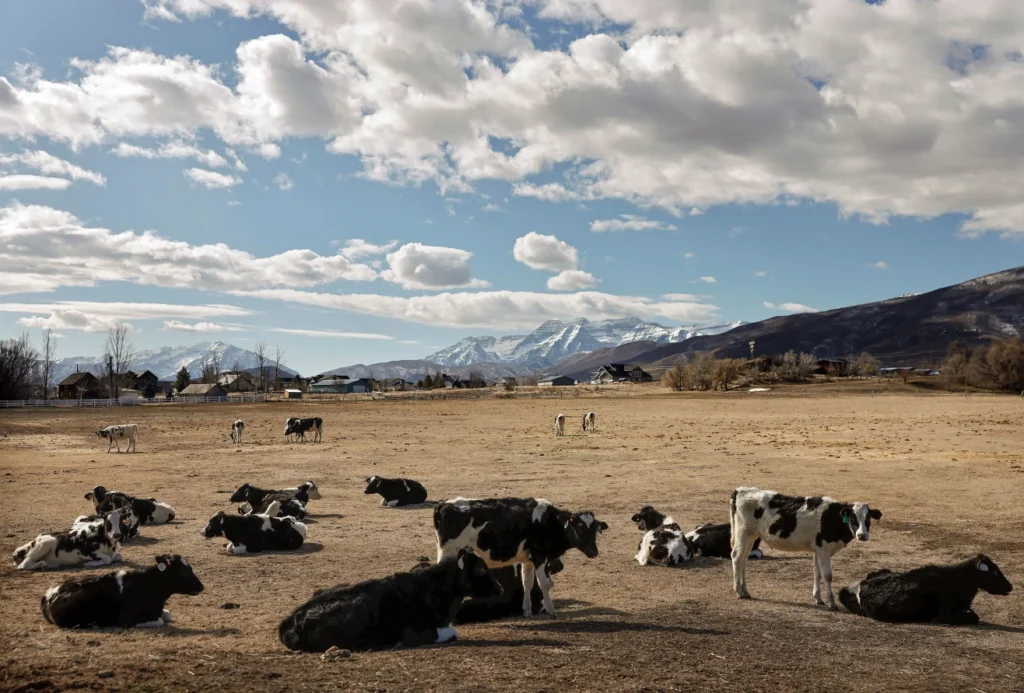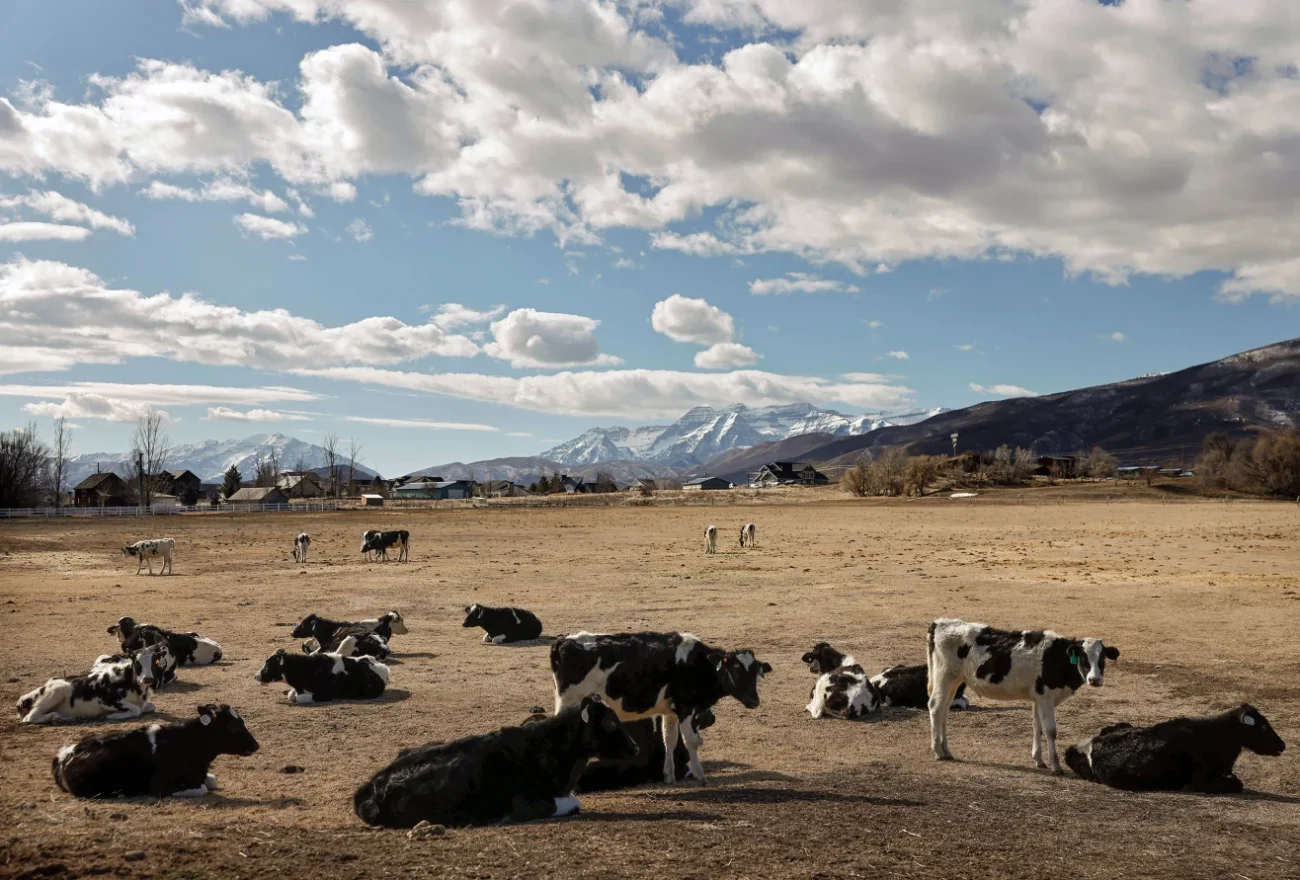
The headwaters of the mighty Colorado River start in clear, cold mountain streams fed by snowmelt from jagged Rocky Mountain peaks. As these tributaries feed into the Colorado and flow south, they eventually turn into the lifeblood of the West — providing water to tens of millions of people, supporting growing industries and irrigating vegetables and forage crops.
This year, however, there is half as much snow in these mountains as there should be. The Western United States is beset by one of its driest and warmest winters in history up to this point.
While the forecast does look snowier over the next couple of weeks following a welcomed weather pattern change, it likely will not come close to erasing the snow drought resulting from weeks of no snow and spring-like temperatures. The paltry snowpack in the Upper Colorado Basin is at December levels rather than where it should be in February, and that simply means there’s likely to be less water flowing downstream this spring.
It’s bad news for the seven states negotiating over how to divvy up a river that was already shrinking.
After years of overuse and disappearing snowpack, the water level downstream at Lake Powell, the nation’s second-largest reservoir, is dangerously low. Powell currently sits at just 26% full. Lake Mead — the largest US reservoir that sits farther south on the Colorado River’s path — is a little over 1/3 full. Both human-made lakes are crucial for hydropower generation, but they also store water that supports the economy of the entire Southwest.
The 1922 Colorado River compact allots 7.5 million acre-feet of water yearly to meet the collective needs of the four states in the Upper Colorado River Basin (Colorado, New Mexico, Utah and Wyoming) and another 7.5 million for the three in the Lower basin (California, Arizona and Nevada). But by the end of this year, states are going to need to figure out how to get by with less.